
The Seventh Continent: What Awaits You Aboard Viking Polaris
Discover what an Antarctica expedition aboard Viking Polaris is really like, from crossing the Drake Passage and exploring by Zodiac to wildlife encounters, citizen science and Scandinavian comfort.
There are few places left where there is no permanent population, no conventional road network and the landscape still feels largely untouched by human life.
Antarctica is one of them.
It is why travellers who have already explored the other six continents often say this is the journey that genuinely lives up to the anticipation. Immense glaciers, deep blue ice, penguin highways and the sudden breath of a whale create moments that are almost impossible to describe until you have experienced them yourself.
Here is what an expedition to the White Continent aboard Viking Polaris really looks like, along with a few good things to know before you go.
1. Crossing the Drake Passage is part of the adventure
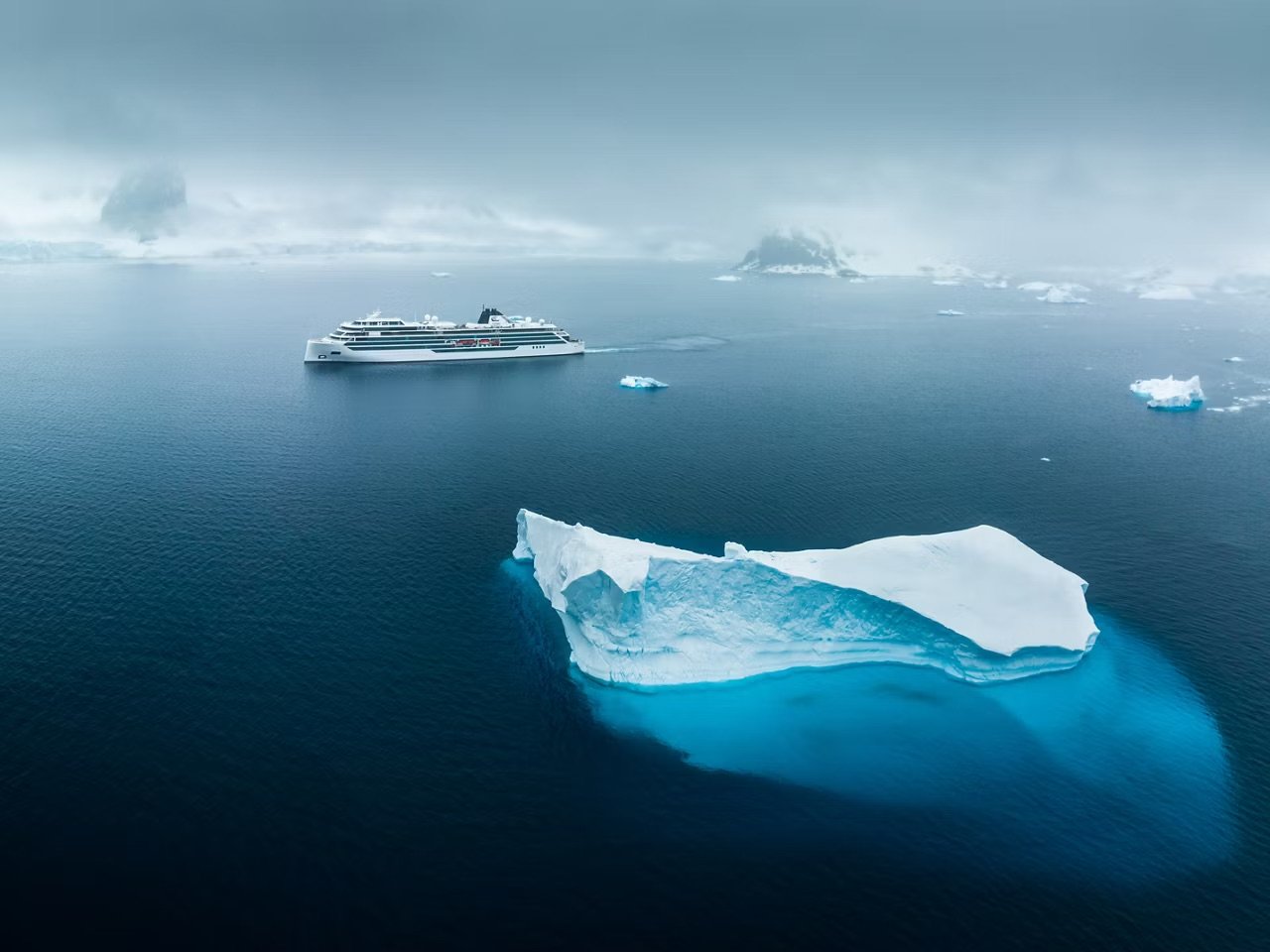
There is no point softening this one. Reaching the Antarctic Peninsula generally means crossing the Drake Passage, the stretch of open water between South America and Antarctica and one of the world’s most unpredictable sea crossings.
Sailors call the calm days the “Drake Lake” and the rougher ones the “Drake Shake”. Which one you experience genuinely comes down to the conditions on the day.
What helps is the ship. Viking Polaris is a purpose-built, 378-guest Polar Class 6 expedition vessel. Viking’s expedition ships use fin stabilisers to reduce rolling while sailing, while a separate U-tank stabiliser reduces rolling by nearly 50% when the ship is stationary.
It is not a guarantee of smooth sailing, so guests prone to motion sickness should speak with their doctor or pharmacist before travelling. But for many guests, the passage becomes part of the story rather than something to dread.
Then comes the moment when the first iceberg appears on the horizon. Few arrivals feel quite as well earned.
2. Antarctica sets its own schedule
The honest version of Antarctica travel is that your itinerary is a guide, not a guarantee.
Landing sites, Zodiac excursions, activities and sailing routes can change at short notice because weather, sea and ice conditions move quickly. Viking’s Captain and Expedition Team assess the conditions daily, adjusting plans to make the most of each opportunity.
Updates are communicated through daily briefings and the Viking Voyager app, which can also provide current weather, excursion and itinerary information.
For the right traveller, this unpredictability is exactly the appeal. This is not a scripted cruise calling at the same ports in the same order. It is a genuine expedition, shaped by real conditions in real time.
You may set out expecting one landing and instead find yourself watching whales, navigating around a remarkable iceberg or visiting an area that conditions have unexpectedly opened up.
Good to know: Bring an adventurous mindset rather than a rigid checklist. Antarctica tends to reward travellers who are happy to go with the floe. Sorry, we couldn’t resist.
3. Why February is such an appealing time to visit
Timing can make a considerable difference in Antarctica, and a February departure falls during the continent’s late summer.
By this stage of the season, snow and sea ice have generally retreated from their earlier summer levels, potentially opening more opportunities to explore the coastline. The lower snow cover can also reveal more of the Antarctic landscape.
February and March are considered particularly rewarding for whale watching. Humpback, minke and other whales may be feeding in the nutrient-rich Southern Ocean before beginning their northern migration.
Penguin chicks are typically larger and more active, daylight hours remain generous, and the lower sun can produce beautiful sunrise and sunset light for photographers.
Wildlife, weather and landing opportunities can never be guaranteed, but February offers an appealing combination of marine life, accessible landscapes and memorable light.
4. Antarctica becomes more than scenery through a window
Viking Polaris offers several ways to get out and experience the environment, subject to weather, safety assessments and availability.
Zodiacs
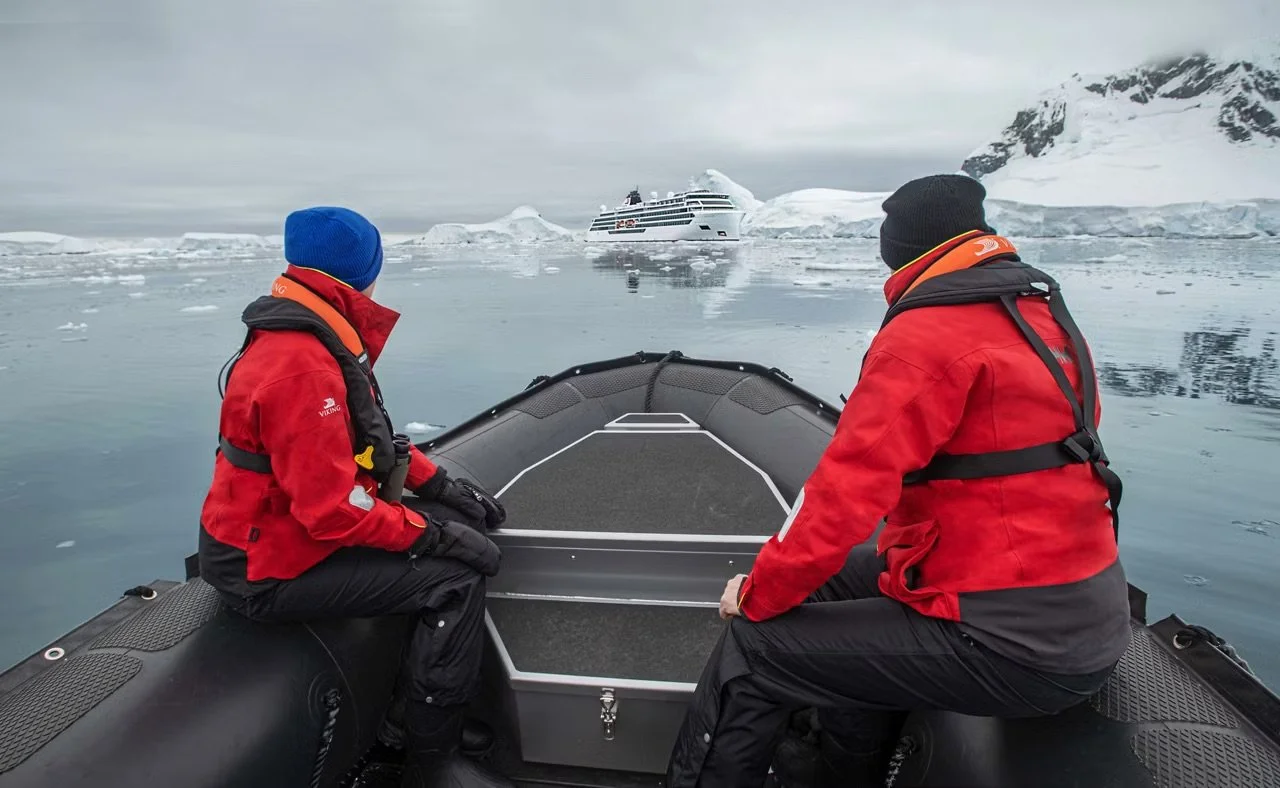
Viking’s reinforced Zodiac Military Pro MK5s are used for shore landings and cruising in protected waters. They can bring guests closer to ice formations, wildlife and remote beaches that cannot be reached by the ship.
Kayaks
Nine tandem kayaks offer the chance to paddle quietly through Antarctic waters. Without the noise of an engine, you may hear the crackling of glacial ice, distant seabirds and the movement of water around the kayak.
Special Operations Boats
Viking’s military-grade, ice-strengthened Special Operations Boats are designed for longer-range exploration. Individually suspended seats help create a more comfortable ride, while the boats can be converted from open seating into an enclosed cabin when required.
Submarines
Viking Polaris carries two six-guest submarines, named George and Ringo in a nod to The Beatles and their famous yellow submarine.
Revolving seats and almost 270-degree spherical windows provide each guest with panoramic underwater views of the Southern Ocean. Submarine dives are paid optional activities and remain subject to conditions, availability and operational approval.
These experiences are where Antarctica stops being something you observe and becomes an environment you genuinely feel part of.
5. Real science, not just scenery
Viking Polaris was built as a working research vessel, not simply decorated to resemble one.
Visiting researchers form part of Viking’s multidisciplinary 36-person Expedition Team, alongside specialists who may include biologists, ornithologists, geologists, historians, kayak guides and submarine pilots.
Viking’s scientific collaborations have included the University of Cambridge’s Scott Polar Research Institute, Cornell Lab of Ornithology, NOAA and other research institutions.
Guests can attend lectures and daily briefings or participate in citizen-science activities such as:
Weather balloon launches
Wildlife and bird monitoring
Environmental sampling
Marine specimen preparation
Observations that help scientists understand migration and environmental change
Viking’s expedition ships have also been designated official NOAA and US National Weather Service weather-balloon stations.
The information collected can support ongoing scientific studies and, in some cases, contribute to published research. It is a rather different souvenir from the usual fridge magnet.
6. Comfort at the end of the Earth
Viking Polaris does not ask guests to rough it to earn the view.
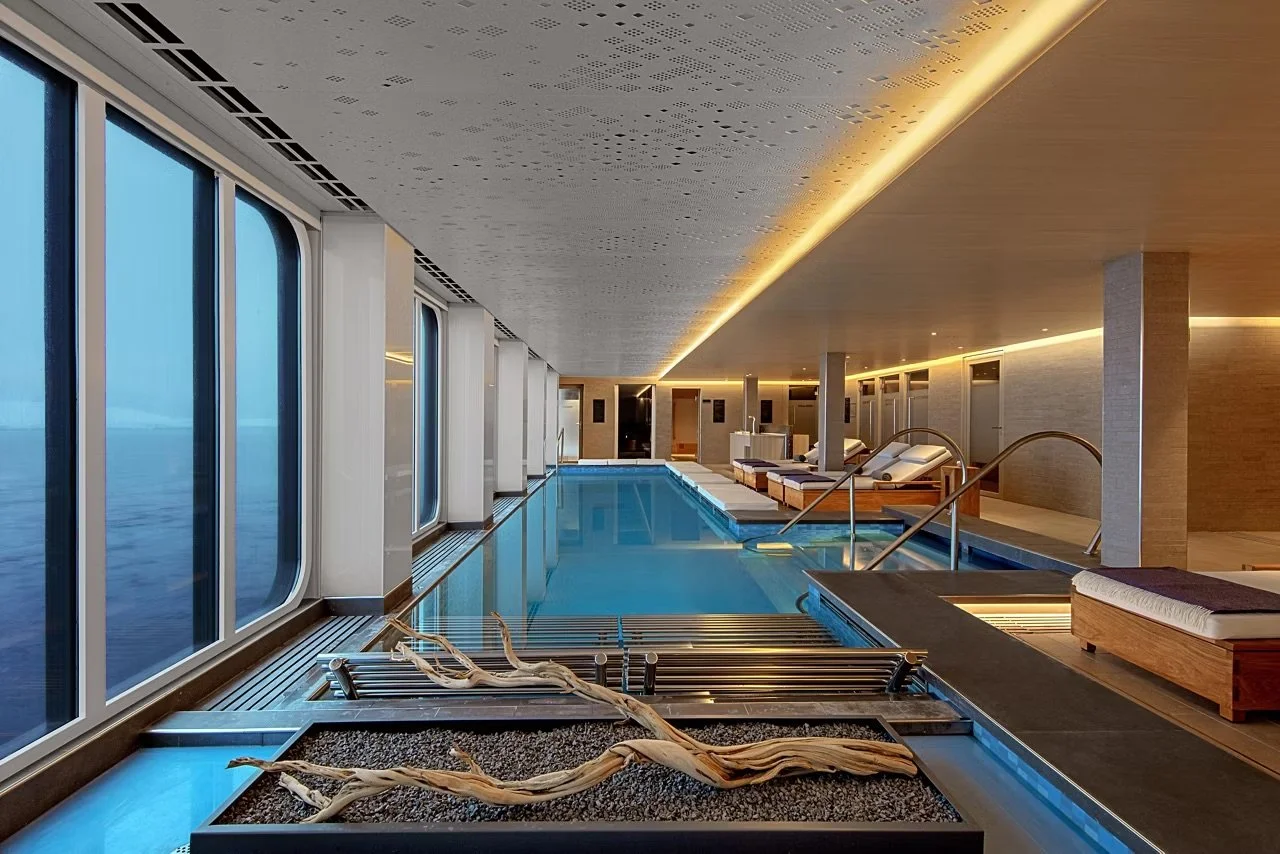
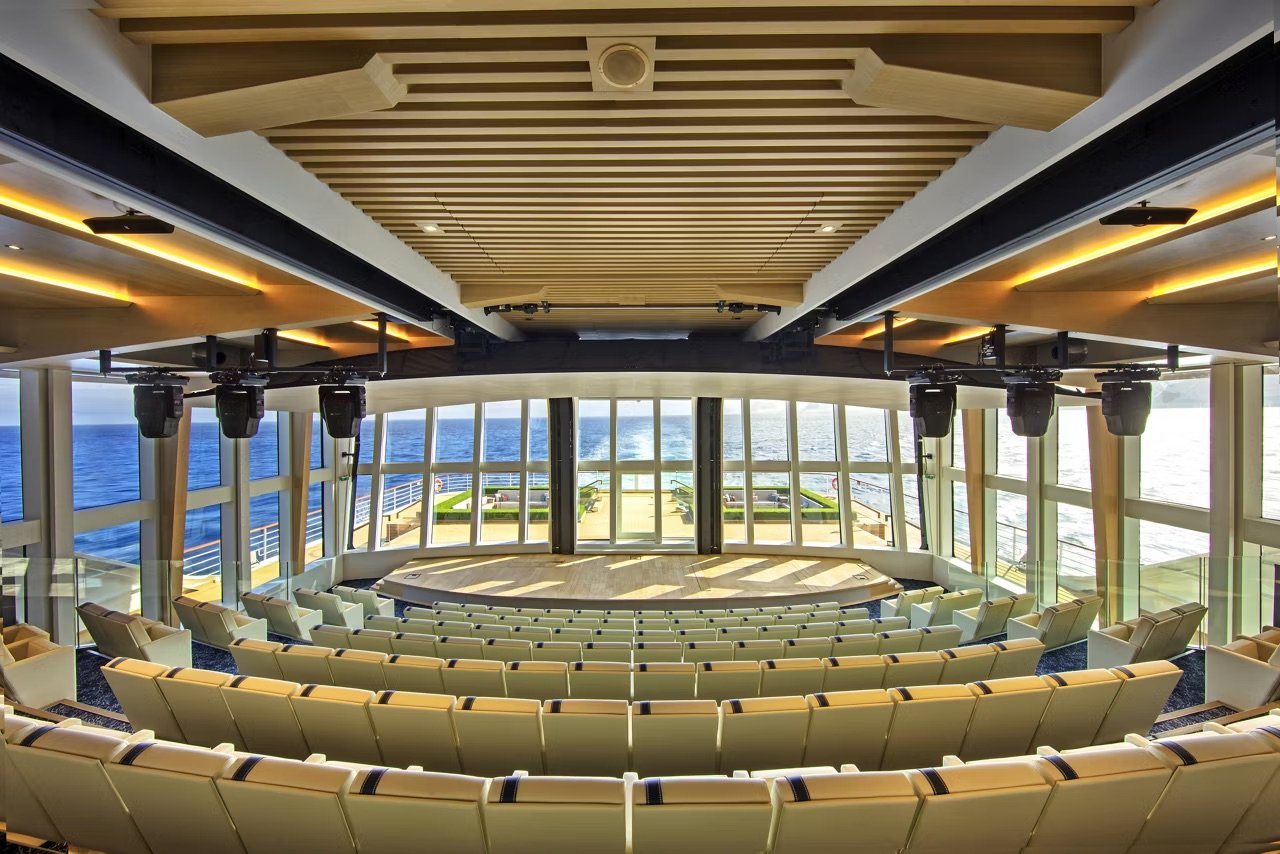
The atmosphere is closer to a Scandinavian boutique hotel than a traditional expedition vessel. Calm interiors, warm natural tones and floor-to-ceiling windows keep the surrounding landscape at the centre of the experience.
Spaces include:
The Explorers’ Lounge, with panoramic windows, comfortable seating, books and live music
The Nordic Spa, featuring a hydrotherapy pool, sauna, steam room, snow grotto and heated relaxation areas
The Aula, a panoramic auditorium where a retractable screen reveals 270-degree views
Expedition Central, where guests can speak with the expedition team and learn more about upcoming activities
Finse Terrace, an outdoor lounge with comfortable seating and fire pits
Every stateroom features a private Nordic Balcony, with floor-to-ceiling glass that can be lowered to create a sheltered open-air viewing platform. Staterooms also include heated bathroom floors and a floor-to-ceiling drying closet for wet expedition clothing.
As one Viking guest described it:
“Viking Polaris conveys us to one of the world’s most inhospitable places in astonishing comfort.”
You can spend the morning exploring a remote Antarctic shore and the afternoon enjoying a warm drink while watching icebergs drift past your window. It is a rather civilised way to visit one of Earth’s wildest places.
7. Dressing well is all about layers
Antarctic weather can change quickly. Sunshine, wind, rain and snow may all make an appearance on the same day.
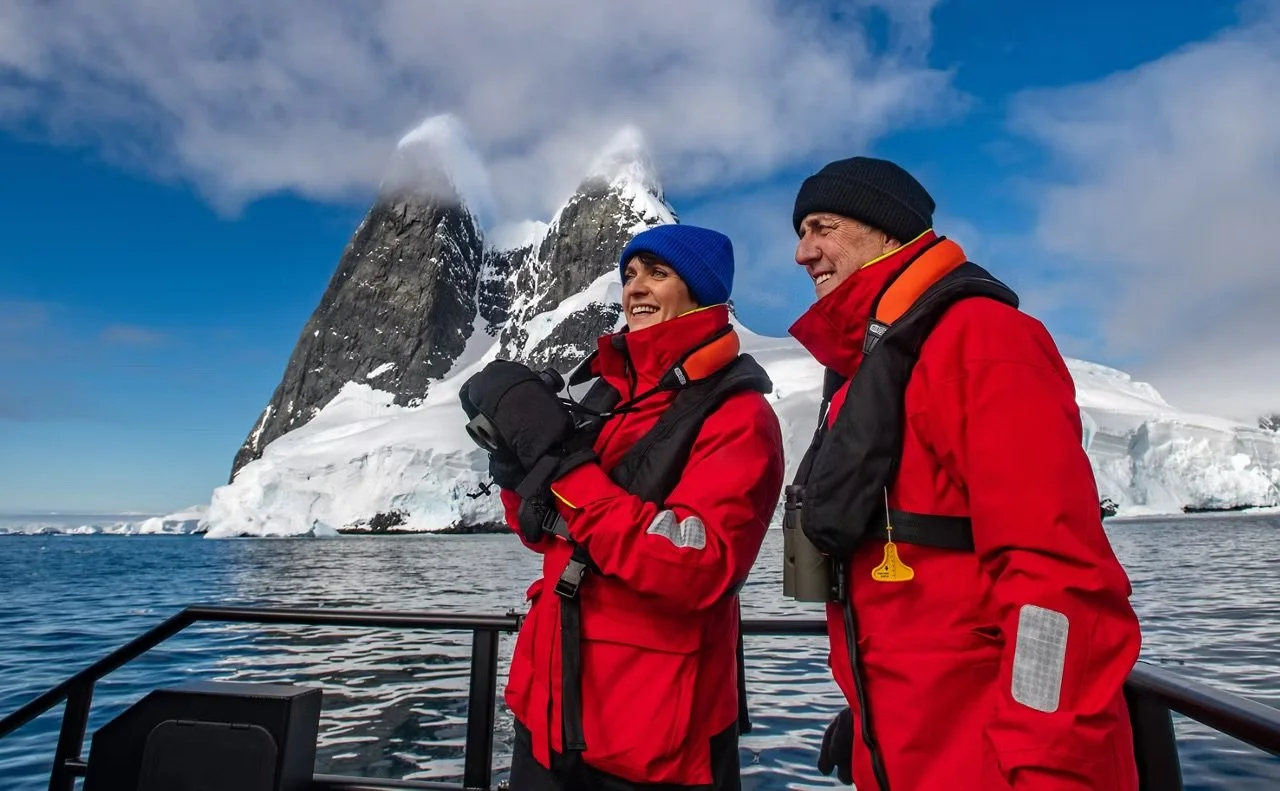
Viking provides expedition equipment for relevant activities, including:
A keepsake waterproof and windproof expedition jacket
Waterproof and windproof trousers
Waterproof expedition boots
Trekking poles
Binoculars
Guests should bring moisture-wicking base layers made from merino wool or synthetic materials, followed by warm insulation layers.
Other useful items include:
A warm beanie and neck gaiter
Waterproof gloves, ideally with removable fingertips for photography
Thin and thick wool socks
UV-protection sunglasses
SPF 50+ sunscreen and lip balm
Comfortable shoes for wearing aboard the ship
A waterproof backpack or dry bag
A reusable water bottle
A phone lanyard
Always check the confirmed equipment and inclusions for your particular departure before packing.
8. Medical preparation and travel insurance are essential
Antarctica is exceptionally remote, with limited shoreside medical facilities and potentially difficult evacuation arrangements.
Viking’s current expedition conditions require guests to provide the applicable fitness-to-travel documentation and hold appropriate cruise travel insurance with at least US$250,000 in medical evacuation coverage.
Viking’s expedition brochure also refers to Medical Assessment and Health Evaluation forms being submitted at least 30 days before departure. Guests should follow the specific documentation and deadlines issued for their booking, as requirements can change.
It is also sensible to speak with your doctor well before travelling about:
Your general health and fitness
Mobility and balance
Prescription medication
Motion-sickness management
Any personal medical risks associated with remote travel
Keep essential medication in your hand luggage and bring more than the exact amount needed, allowing for possible travel delays.
9. Protecting Antarctica is everyone’s responsibility
Antarctica’s isolation has helped preserve its environment, but it also makes the continent especially vulnerable.
Outer clothing, bags and equipment may undergo mandatory biosecurity inspection and cleaning. Expedition boots are disinfected before and after landings to reduce the risk of introducing foreign seeds, soil or organisms.
When ashore:
Follow the Expedition Team’s instructions
Move slowly and quietly around wildlife
Give animals the right of way
Never touch or feed wildlife
Do not take food ashore
Do not remove rocks, feathers, bones, eggs or other natural material
Stay within marked walking routes and landing areas
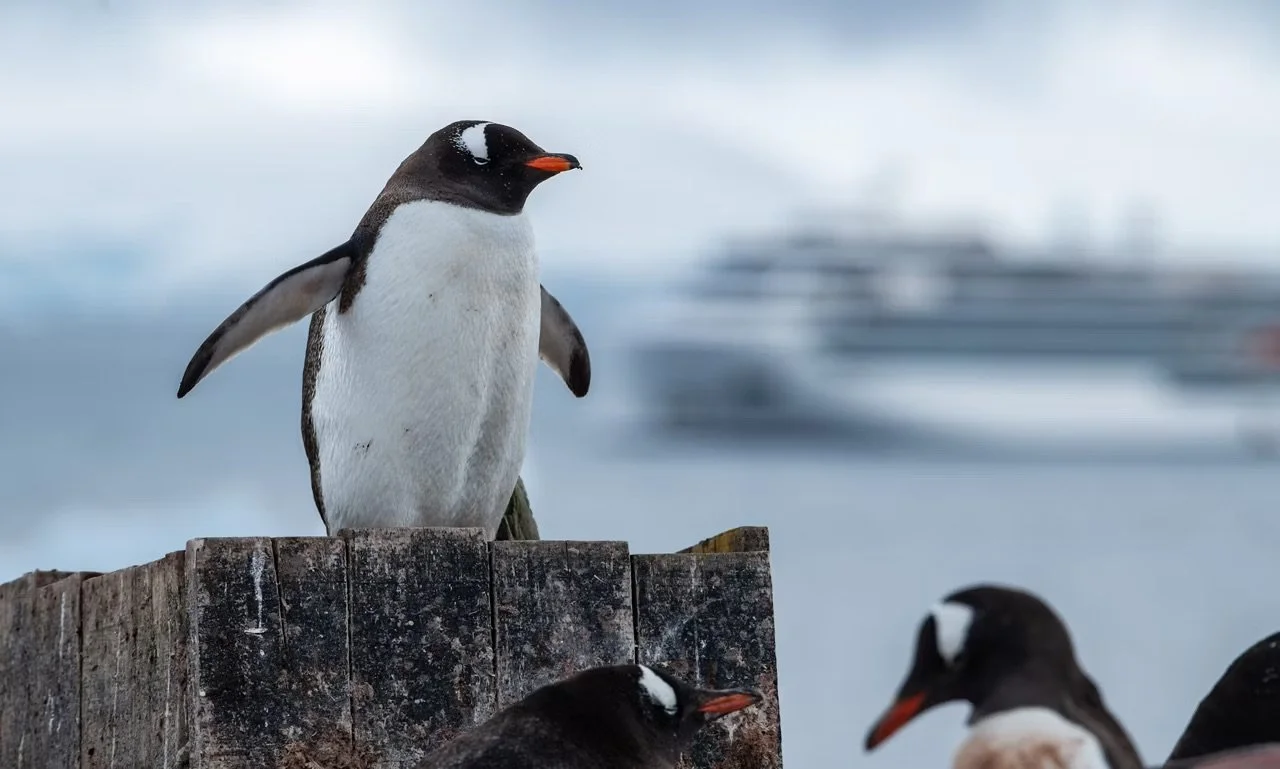
If a penguin decides to wander closer, remain still and let it choose its direction. Penguins have right of way, questionable road manners and absolutely no interest in your schedule.
10. Prepare your camera for the cold
Antarctica’s wildlife, immense landscapes and unusual light make it a photographer’s dream, whether you use a professional camera or your phone.
Cold weather drains batteries quickly, so pack spares and keep them close to your body. Extra memory cards are also a good idea. Antarctica is not the place to discover you have space for only four more photos.
Moving from cold outdoor air into the warmth of the ship can cause condensation. Place cameras and lenses in a sealed bag before going inside, allowing them to warm gradually.
A wide-angle lens is useful for landscapes, while a moderate telephoto lens provides flexibility for wildlife. A waterproof bag will help protect equipment during Zodiac rides and shore landings.
Most importantly, keep your camera handy while moving around the ship. Antarctica has a habit of producing its best moments without much warning.
Ready to Explore the Seventh Continent?
Join us aboard Viking Polaris and experience Antarctica with the fun, friendship and complete peace of mind that come with travelling as part of a hosted Go Golfing group.
Discover the full itinerary, inclusions, pricing and accommodation options, then choose the stateroom that is right for you.
Explore the Antarctic Explorer and book your place →
Activities, wildlife sightings, landings, routes and schedules are subject to weather, ice, sea and operational conditions. Medical, documentation, insurance and equipment requirements should be confirmed for your selected departure before travel.