
Seven Links, Seven Stories: Why Ireland’s North West Is the Golf Trip of 2027
In the last week of June 1960, the best golfers in the world gathered on a thin strip of dunes just north of Dublin.
Arnold Palmer was among them. He had already won the Masters and the US Open that year, and he was partnering Sam Snead for the United States in the Canada Cup. His mind, though, was on St Andrews and the Grand Slam. Portmarnock was his rehearsal, and he later credited it with teaching him links shots he’d never needed at home.
Australia sent Peter Thomson and Kel Nagle. The Americans won the Cup. Then the field crossed to Scotland, where Nagle beat Palmer by a single stroke to win the Centenary Open.
This tour is built on ground like that: seven links across Ireland’s north-west, with a story waiting on every first tee.
𝗥𝗢𝗨𝗡𝗗 𝗢𝗡𝗘: 𝗧𝗵𝗲 𝗹𝗶𝗻𝗸𝘀 𝘁𝗵𝗲 𝘄𝗼𝗿𝗹𝗱 𝗶𝘀 𝗮𝗯𝗼𝘂𝘁 𝘁𝗼 𝗱𝗶𝘀𝗰𝗼𝘃𝗲𝗿 📸
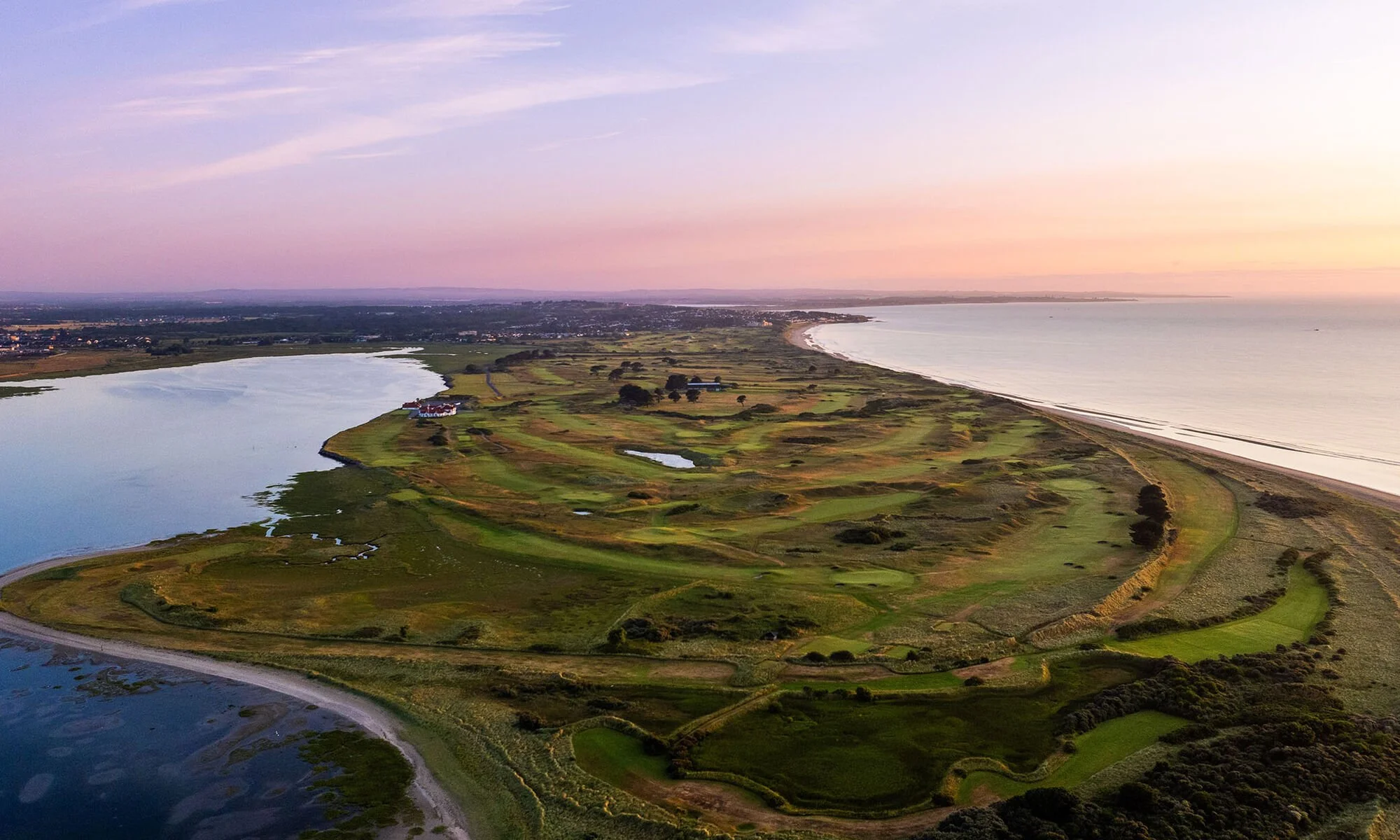
Portmarnock sits at the end of a low, sandy peninsula, seven miles from the centre of Dublin as the crow flies. It feels a world away. It has hosted more Irish Opens than any other course. Seve Ballesteros won here in 1986, and Bernhard Langer and Ian Woosnam won here too. In 1991 it staged the first Walker Cup played in Ireland. A young Phil Mickelson and David Duval were on one side, and Pádraig Harrington and Paul McGinley on the other.
Palmer rated the 15th, a par 3 along the edge of the Irish Sea, among golf’s great short holes. For forty years the club professional was Harry Bradshaw, “The Brad”, who took the job a year after losing a play-off for the Open to Bobby Locke.
Then there’s the news. In July 2026, the R&A’s chief executive said the feasibility work on Portmarnock was essentially done. He said the R&A believed The Open could be staged there, with a decision expected by the end of the year. If it goes ahead, Portmarnock becomes the first Open venue outside the United Kingdom.
You’ll play it on 29 June 2027, before the grandstands and the crowds. It’s a walking course, as it should be, and electric trolleys are included.
𝗗𝘂𝗯𝗹𝗶𝗻, 𝘁𝗵𝗲𝗻 𝗡𝗼𝗿𝘁𝗵 🇮🇪
Dublin sets the tone first. There’s a welcome dinner with music and dancing at the Merry Ploughboy, then a day in the Wicklow Mountains. You’ll see Glendalough’s 6th-century monastic city and the gardens and waterfall at Powerscourt.
Then the road runs north through County Meath to Trim Castle, Ireland’s largest Anglo-Norman fortress and a Braveheart filming location, before climbing into Donegal. In July the light up here lingers past ten at night, and nobody is in a hurry to go inside.
𝗥𝗢𝗨𝗡𝗗 𝗧𝗪𝗢: 𝗪𝗵𝗲𝗿𝗲 𝗢𝗹𝗱 𝗧𝗼𝗺 𝗰𝗮𝗺𝗲 𝘁𝗼 𝗗𝗼𝗻𝗲𝗴𝗮𝗹 ⛳️
Rosapenna Golf Resort, on Sheephaven Bay, is home for five nights, with three links on the doorstep.
In 1891 the 4th Earl of Leitrim invited Old Tom Morris to look over this coast. The links he laid out still bears his name. In 1906 Harry Vardon and James Braid, with eleven Open titles between them, added length and bunkering and left his greens alone. Harry Colt followed in 1911. The back nine, running beside Tramore Beach, is still largely Old Tom’s.
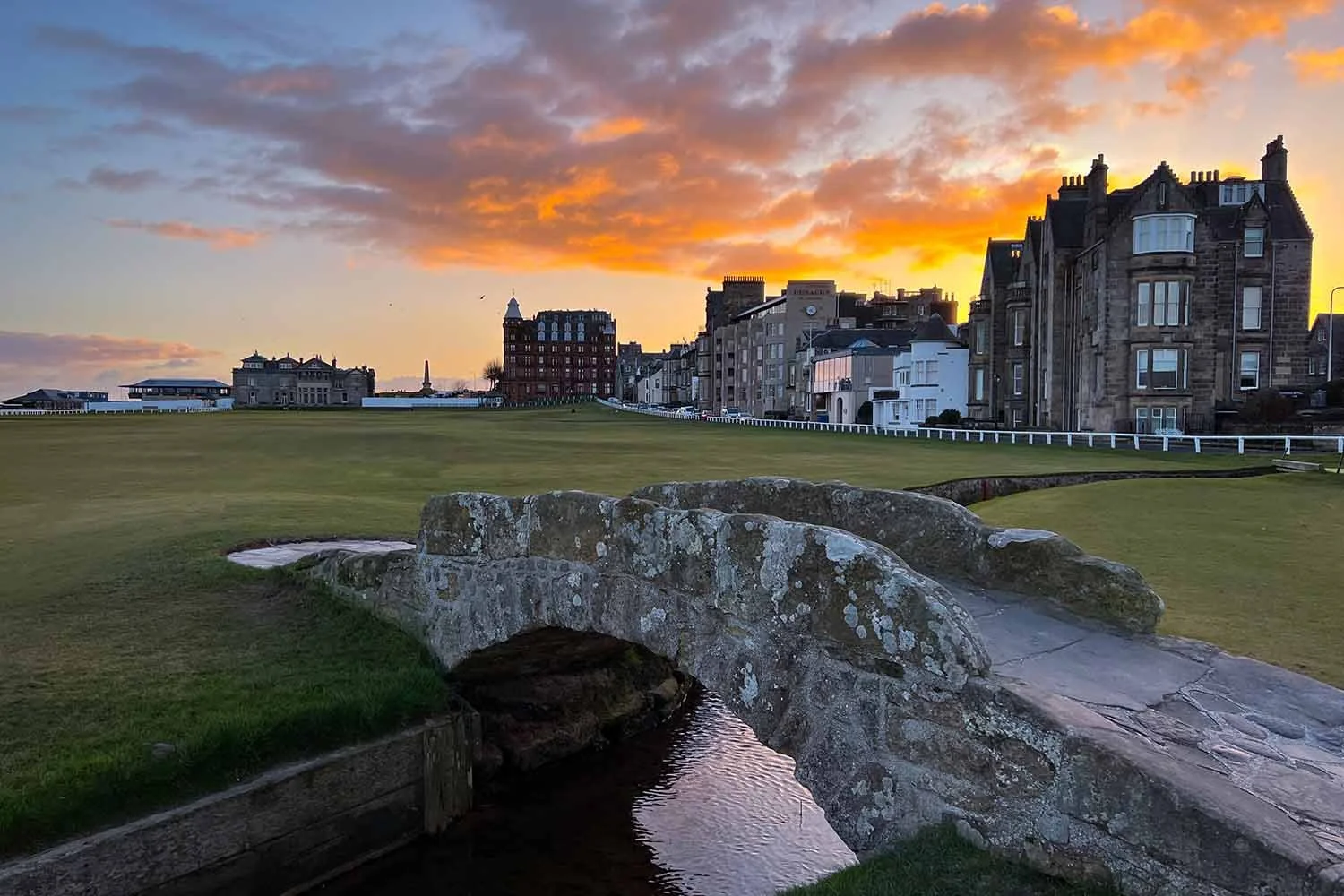
𝗥𝗢𝗨𝗡𝗗 𝗧𝗛𝗥𝗘𝗘: 𝗧𝗵𝗲 𝗻𝗲𝘄𝗲𝘀𝘁 𝗹𝗲𝗴𝗲𝗻𝗱 𝗶𝗻 𝗹𝗶𝗻𝗸𝘀 𝗴𝗼𝗹𝗳
In 2012 the Casey family, who run Rosapenna, bought the dunes to the south. The land had once carried two earlier links. They waited six years before breaking ground, and they chose Tom Doak.
St Patrick’s Links opened on 25 June 2021. Five months later it was in the world’s Top 100, and it has climbed since. More than one writer has suggested it could be the last true links ever built in Ireland. The fairways are generous and the greens anything but. From the high dunes, the whole of Sheephaven Bay lies open below you.
Every other course on this tour has champions in its past. This one’s history is still being written, and you’ll be part of its first chapter. It’s walking only, with push trolleys included and caddies available.
A free day sits between Old Tom and St Patrick’s. You could visit Glenveagh’s castle gardens or the Crolly distillery, drive out to Fanad Head lighthouse, or do nothing at all.
𝗥𝗢𝗨𝗡𝗗 𝗙𝗢𝗨𝗥: 𝗦𝗮𝗻𝗱𝘆 𝗛𝗶𝗹𝗹𝘀 🏞️
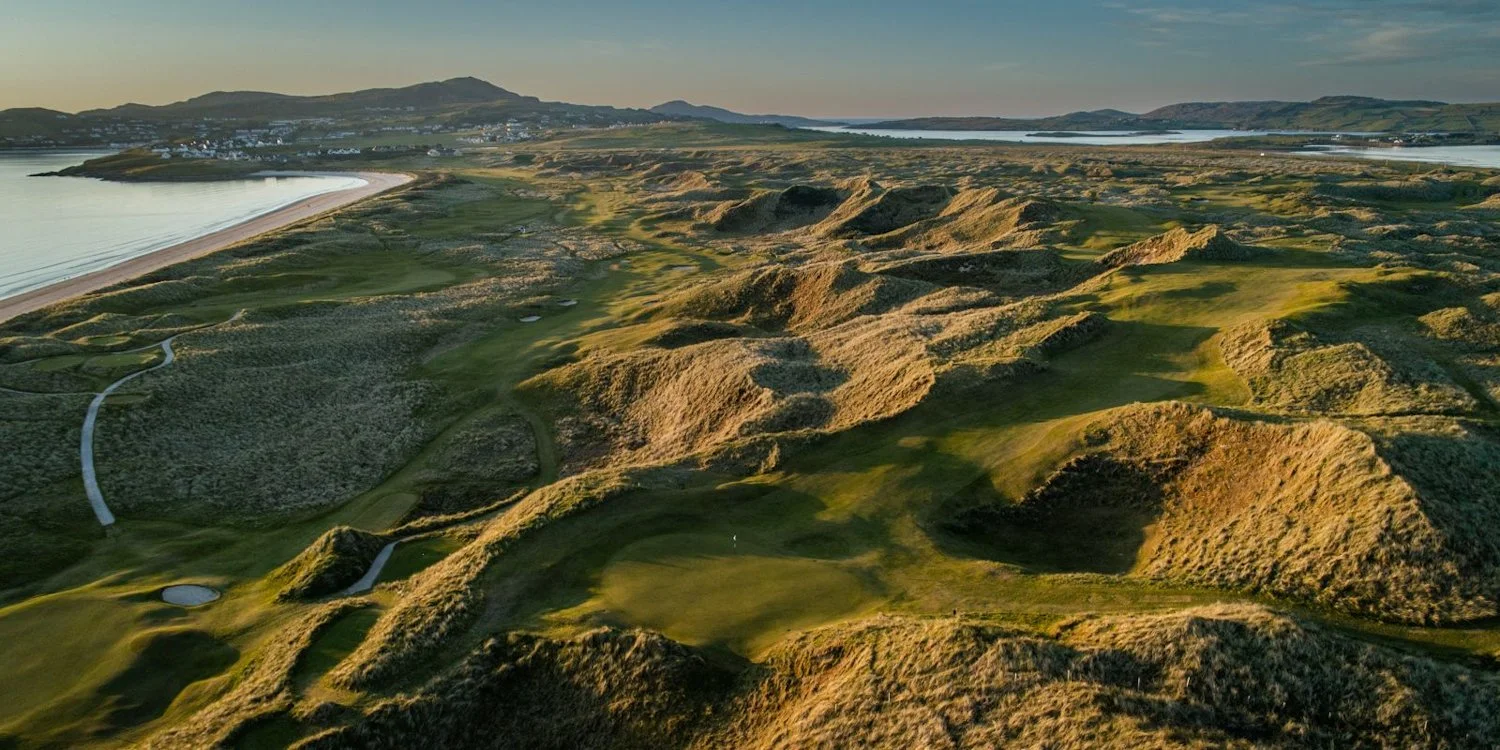
Pat Ruddy’s Sandy Hills Links opened in 2003 and is routed through dunes so tall that whole holes feel private. The tees are high, the greens are high, and there’s marram grass everywhere. Some seasoned judges rank it ahead of its famous neighbour. Play both and pick your side.
𝗥𝗢𝗨𝗡𝗗 𝗙𝗜𝗩𝗘: 𝗧𝗵𝗲 𝗠𝗼𝘂𝗻𝘁𝗮𝗶𝗻 𝗮𝗻𝗱 𝗧𝗵𝗲 𝗣𝗿𝗼𝗱𝗶𝗴𝘆 ⛰️
The road south to Sligo passes Hanna Hats, where Donegal tweed caps are still made by hand, and a whiskey distillery for a tasting. Home for the next five nights is The Glasshouse, on the Garavogue River in the centre of town.
County Sligo Golf Club is known as Rosses Point to everyone who’s played it. It sits between two mountains. Benbulben is to the north, and Yeats lies buried beneath it. Knocknarea is to the south, where legend places Queen Maeve’s grave. Harry Colt designed the present links in 1927.
The West of Ireland Championship has been played here since 1923. Joe Carr won it twelve times. Harrington won his first senior title here, and Shane Lowry won here long before his Claret Jug. At Easter 2005, a 15-year-old from Holywood became the youngest champion in its history. He came back the next year and defended it, and no one has gone back-to-back since.
Twenty years later, Rory McIlroy completed golf’s career Grand Slam. This is where it started.
𝗥𝗢𝗨𝗡𝗗 𝗦𝗜𝗫: 𝗧𝗵𝗲 𝗰𝗼𝘂𝗿𝘀𝗲 𝗮 𝘃𝗶𝗹𝗹𝗮𝗴𝗲 𝗯𝘂𝗶𝗹𝘁 ⛳️
Carne is a long drive west. You travel out along the Mullet Peninsula in County Mayo, to where the land stops and Blacksod Bay opens onto the Atlantic. It’s worth every kilometre, and not only for the golf.
In the 1980s, Erris was losing its young people to England, America and Australia. The community decided it needed something that would bring people in rather than send them away. They bought commonage land in the dunes and asked Eddie Hackett, Ireland’s great links architect, to design them a course.
Hackett charged expenses only, and one of the organisers reportedly had to remind him to claim even those. A couple of dozen local farmers spent seven years building it, mostly with rakes and shovels,
because heavy machinery was beyond their means. The first nine opened in 1992 and the second in 1993. It was Hackett’s last full design.
No one will tell you this on the first tee. You’ll just notice how little the ground has been disturbed, with tees and greens sitting where the dunes left them. Somewhere on the back nine it may strike you that many of the people who left Erris in those years ended up in Australia. Carne is what their neighbours built instead.
𝗥𝗢𝗨𝗡𝗗 𝗦𝗘𝗩𝗘𝗡: 𝗢𝗻𝗲 𝗹𝗮𝘀𝘁 𝘄𝗮𝗹𝗸 𝗶𝗻 𝘁𝗵𝗲 𝗱𝘂𝗻𝗲𝘀 ☀️
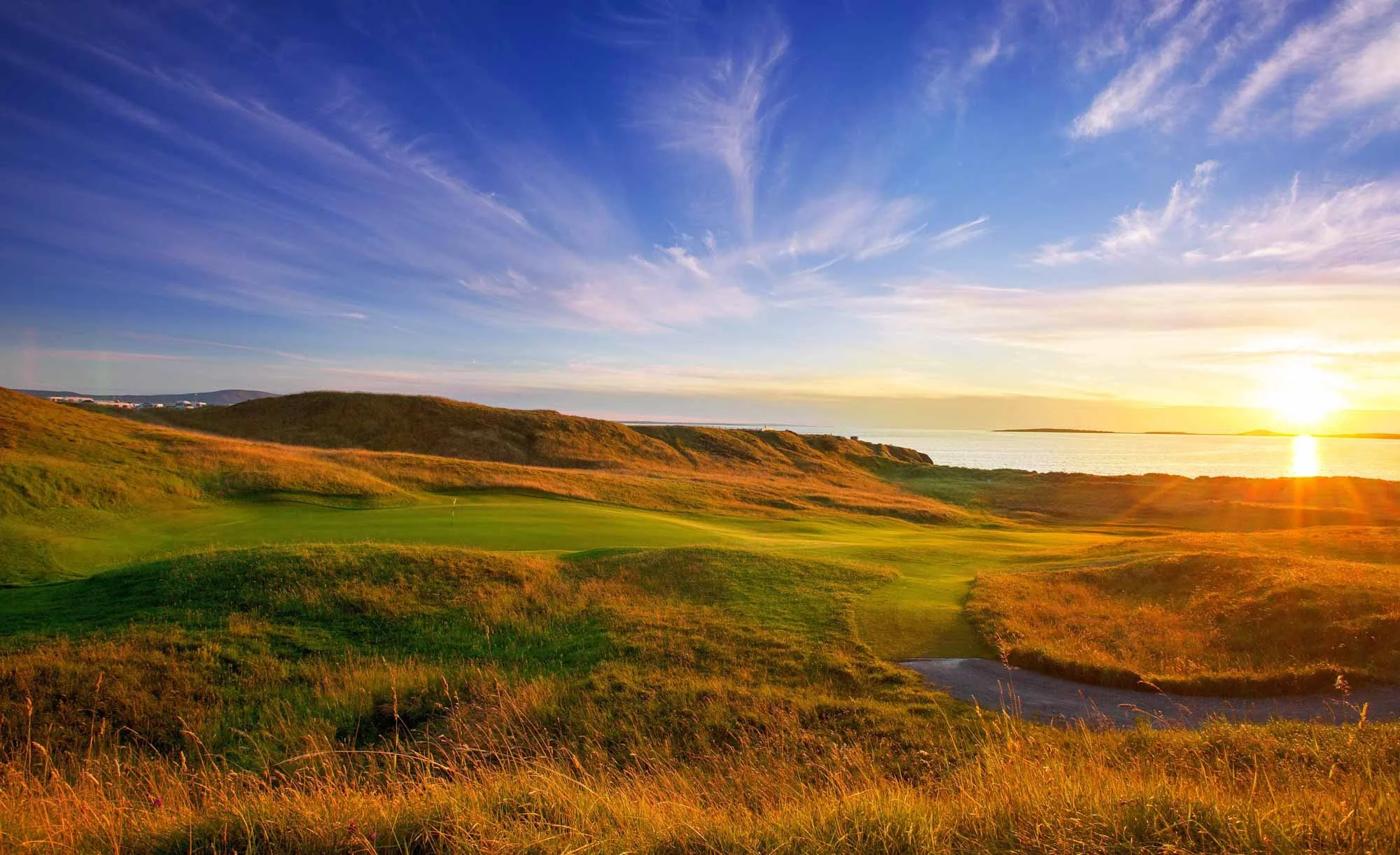
Enniscrone, on the shore of Killala Bay, is Hackett’s work too. He laid it out in 1974, and Donald Steel later reshaped it through towering dunes. It’s a fitting place to finish: the same architect, with the same instinct for leaving the land alone.
That evening is the farewell dinner. We’ll raise a glass to the tour’s champions, and this time they’re ours.
𝗧𝗛𝗘 𝗢𝗧𝗛𝗘𝗥 𝗛𝗔𝗟𝗙 𝗢𝗙 𝗧𝗛𝗘 𝗧𝗢𝗨𝗥 🇮🇪
Non-golfers aren’t left waiting at the hotel. On golf days they have their own programme:
✨ The Book of Kells and the Long Room at Trinity College
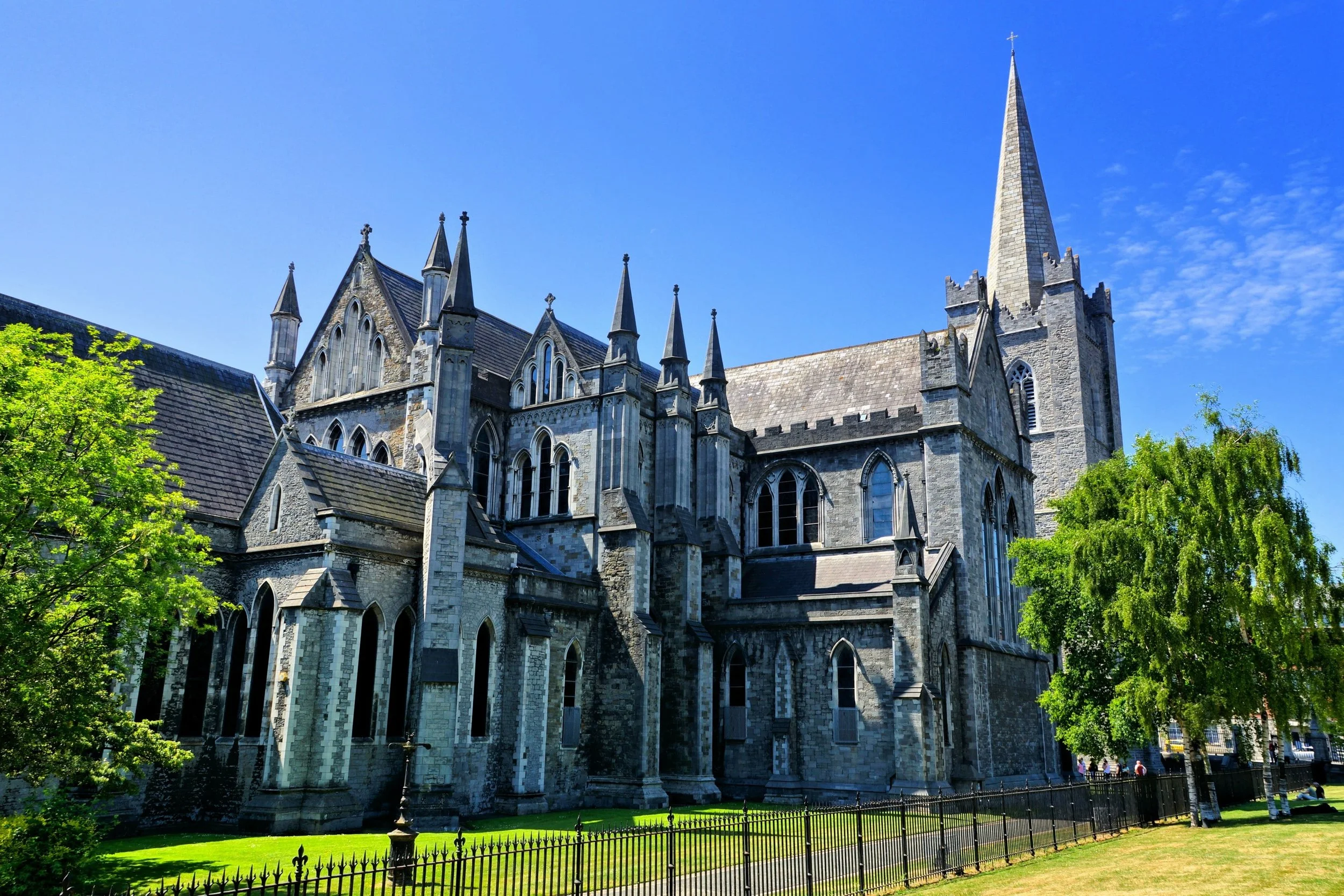
✨ St Patrick's Cathedral and Dublin Castle
✨ The sea cliffs at Slieve League, among the highest in Europe
✨ A spa day at Rosapenna overlooking the Donegal coast
✨ The Taste of Sligo food tour, from Sligo Bay oysters to French patisserie
✨ A private, hands-on cooking class in the restored Georgian kitchen at Howth Castle, finishing with lunch in the Butler's Room
Free time in Sligo brings more choices. There are the VOYA seaweed baths at Strandhill and the climb to the cairn on Knocknarea. Or you can take a boat on Lough Gill to the Lake Isle of Innisfree, the island Yeats wrote about in “I will arise and go now.”
Everyone shares the rest: Glendalough, Powerscourt, Trim Castle, Hanna Hats and the whiskey tasting. There’s also a full day through Carrowmore’s megalithic tombs, the Yeats Memorial Building and The Model arts centre.
𝗪𝗛𝗬 𝗬𝗢𝗨 𝗠𝗨𝗦𝗧 𝗗𝗢 𝗧𝗛𝗜𝗦 𝗢𝗡𝗘 🥂
Nowhere else puts two World Top 100 links, Old Tom Morris, Harry Colt and Eddie Hackett’s final course into one fortnight.
Underneath the golf is something better: links where champions learnt the game, and one that a community built with its own hands.
The timing won’t come round again. The R&A is expected to decide on Portmarnock within months. The 155th Open begins at St Andrews the day this tour ends. In September, the Ryder Cup comes to Adare Manor for its 100th anniversary. The golf world is heading to Ireland in 2027, and you’ll get there first.
[Soft line, include only once Open inventory is confirmed:] If you’d like to follow Kel Nagle’s road from Portmarnock to the Old Course, tell us early and we’ll look at extending your trip.
View the full itinerary & pricing →𝗩𝗜𝗘𝗪 𝗧𝗛𝗘 𝗕𝗥𝗢𝗖𝗛𝗨𝗥𝗘 Or call our team on +61 7 5508 2250